Business Name: FootPrints Home Care
Address: 4811 Hardware Dr NE d1, Albuquerque, NM 87109
Phone: (505) 828-3918
FootPrints Home Care
FootPrints Home Care offers in-home senior care including assistance with activities of daily living, meal preparation and light housekeeping, companion care and more. We offer a no-charge in-home assessment to design care for the client to age in place. FootPrints offers senior home care in the greater Albuquerque region as well as the Santa Fe/Los Alamos area.
4811 Hardware Dr NE d1, Albuquerque, NM 87109
Business Hours
Monday thru Sunday: 24 Hours
Facebook: https://www.facebook.com/FootPrintsHomeCare/
Instagram: https://www.instagram.com/footprintshomecare/
LinkedIn: https://www.linkedin.com/company/footprints-home-care
Most families begin looking into in-home care at a moment of stress. A fall, a hospital stay, an unexpected modification in memory or mood. The immediate questions are practical: Who will help Mom bathe safely? How do we make certain Dad takes his medications? How will we handle work, kids, and looking after aging parents?
Those concrete worries matter. Yet over years of working in senior home care and sitting at countless kitchen area tables, I have actually seen that the deepest advantages of in-home care are not only about safety or tasks. They have to do with the quieter things that hold a person together: feeling useful, being heard, keeping a sense of identity inside familiar walls.
Companionship, self-respect, and independence do not show up as line items on a home care agency pamphlet. Still, they often make the distinction between just making it through and actually living well at home.
What "home" really provides that facilities cannot
A care center can offer proficient personnel, medical oversight, and social activities. Those can be really appropriate in some scenarios. However home provides something different, and you see it in small details.
Home is the used spot on the arm of a preferred chair. It is the light coming through the very same kitchen area window every morning. It is the next-door neighbor who waves through the screen door and the regimen of a specific radio station at 6 p.m.
When we speak about in-home care or in-home senior care, we are not simply talking about a location. We are speaking about a person staying inside their own story, surrounded by familiar hints that anchor memory, identity, and mood. For many older adults, specifically those dealing with cognitive modifications, that connection can be stabilizing in a way no medication can totally replace.
I have actually viewed customers with moderate dementia manage life surprisingly well in their own homes, just to end up being disoriented and upset in a facility, even an excellent one. Their brains lean on routines and environments. The pattern of grabbing the very same cabinet for a coffee mug, the path from bed room to restroom in the dark, the odor of their own soap: these small consistencies reduce stress and confusion.
In-home care works with that power of location rather of asking an individual to adjust to an institutional environment throughout a vulnerable phase of life.
Companionship that exceeds "somebody in the house"
Family members often start with a purely useful objective: "We simply require someone here so Mom is not alone." What they generally discover is that the quality of that "someone" matters more than they expected.
A great home care aide does more than wait while a client walks from the bed room to the kitchen area. They do the peaceful everyday work of relationship building. In time, regimens turn into routines. A caregiver learns that Mr. Garcia opens more throughout a late afternoon walk than at the breakfast table. Or that Ms. https://andresxsmn693.theburnward.com/home-care-for-elderly-vs-assisted-living-which-fits-your-loved-one-best Thompson is prickly about accepting assistance but softens if the caretaker sits and listens to one old story before suggesting a shower.
Companionship in elder care is not simply discussion. It is being tuned to an individual's rhythms, tolerances, and history. It is knowing when silence is assuring and when it suggests withdrawal.
I remember one customer in Albuquerque who had actually outlived the majority of her buddies. Her daughter arranged in-home care mainly for meal preparation and safety. Within three months, the caregiver had actually silently revived the customer's love of music. They built a regular where they listened to old flamenco records after lunch. Her appetite improved, and her child noticed fewer calls about "sensation low" in the late afternoons. Absolutely nothing about the care intend on paper altered. What changed was the existence of a genuine human relationship, built in the space that home provides.
Social isolation is a health threat, not a minor trouble. Older grownups who invest long stretches alone frequently show quicker cognitive decrease, greater rates of anxiety, and more hospitalizations. In-home care can not replace long-lasting relationships, however consistent, considerate companionship can blunt the worst impacts of loneliness.
Dignity in the private moments
Families are frequently surprised by what aging parents want to accept from a professional caregiver that they resist from their own kids. It is not constantly stubbornness. Often it has to do with self-respect and role reversal.
For a proud father, having his adult child assistance him with toileting or bathing can feel humiliating, no matter how liking the relationship. For a modest mother, permitting her son to see her physically weak or half dressed may cut against decades of carefully kept boundaries. That stress can erode both the parent's self regard and the child's emotional comfort.
In-home senior care produces a different dynamic. When a trained caretaker assists with intimate jobs, it is framed as an expert service, not a family commitment. A skilled home care assistant comprehends how to safeguard modesty: closing doors completely, setting out clothing ahead of time, using towels strategically, narrating each action calmly so the person understands what to expect.
Dignity likewise appears in smaller, quickly neglected choices. Asking consent instead of assuming. Stating "Would you like aid with your socks?" rather of "You need aid with your socks." Waiting that extra few seconds for an answer. Checking choice: "Is it alright if I move these images so we can clear a much safer path?" instead of reorganizing the space without comment.
Over time, these small signals interact that the individual is not just a care job to be handled, but an adult whose dreams matter. I have actually seen clients become more cooperative with assistance, not due to the fact that their physical requirements altered, but since they felt appreciated rather of managed.
For households, this can decrease conflict. A son who battled weekly "bathing battles" with his mother may find that she voluntarily accepts help from a caregiver who treats the bath as a negotiated, respectful procedure instead of a non flexible task. Everybody's stress, consisting of the elder's, goes down.
Independence as a skill to be secured, not erased
One of the most common fears surrounding home care for parents is that "once we generate assistance, they will stop doing anything on their own." The concern is valid; inadequately created care can produce unnecessary dependence. The opposite is likewise true: well developed in-home care can extend an individual's self-reliance far longer than they could maintain it alone.
Good caretakers work with a principle lots of occupational therapists know well: do not do for someone what they can securely finish with support. This method takes more persistence. It is faster to button somebody's t-shirt than to wait while arthritic fingers fumble. It is easier to cut all the food than to motivate a client to utilize an adaptive utensil. Yet every time an individual provides for themselves, they exercise muscles, brain pathways, and confidence.
The goal of senior home care is not to produce passive receivers of assistance. The objective is to scaffold independence. That might appear like:
- The caregiver setting up the restroom with grab bars, a shower chair, and laid out towels, then waiting while the customer washes separately, actioning in just when asked or if safety is at risk. A client with mild memory concerns filling a weekly pill organizer with the caregiver observing, rather than having the caregiver take over medication setup entirely. The caretaker inviting the client to take part in small home jobs, like drying meals or folding towels, rather of doing everything solo "to be good."
These are not minor information. They form the elder's sense of self. People who feel useful and capable, even in smaller ways than previously, normally have much better state of mind, more motivation, and often better physical function. When in-home care is framed as "assisting you do what you can, your method, in your house," instead of "taking control of," the shift is profound.
The psychological load on families, and how in-home care reduces it
Family caretakers hardly ever talk very first about their own limits. They discuss duty, love, and responsibility. Just after some gentle questions do you hear the real picture: a child answering nighttime calls at 2 a.m., a spouse afraid to leave your home for fear of a fall, a kid attempting to manage medical consultations in between shifts at work.
The strain appears quietly. Missed work days, elevated blood pressure, torn tempers, siblings arguing about "who does more." Over time, even the most dedicated household caretaker can reach a breaking point. At that point, bitterness can develop, and the relationship with the aging parent may feel more like a concern than a bond.
In-home care uses more than "time off." It can restore families to their desired functions. A child can go back to being a son who visits, jokes, and shares meals, instead of a stressed out taskmaster demanding showers and sorting pills late in the evening. A spouse can rest on the sofa and hold hands while a caregiver quietly creates supper in the kitchen.
One family I dealt with in Albuquerque had attempted to handle whatever themselves for almost 2 years. The spouse was taking care of his better half, who had advancing Parkinson's illness. When we initially met, he admitted he had actually not played a round of golf, his long-lasting stress reducer, in over a year. 3 months after bringing in part time Albuquerque home care assistance, he was back to playing golf when a week. More significantly, he described a shift: "I get to have coffee with my wife once again rather of arguing with her about getting dressed."
Sustainable caregiving respects everyone's humanity. Expert in-home care does not eliminate family responsibility. It shares it, so that love is not smothered by exhaustion.
Safety and health advantages you do not constantly see at first
Most people think of safety in regards to falls and medication errors. Those are significant concerns, and proficient home care reduces both. But there are quieter health benefits that families typically underestimate.
Nutrition is a huge one. Numerous older grownups living alone slide into what I call "toast and tea syndrome." They stop preparing full meals, count on treats, forget to consume sufficient water, and slowly lose weight or energy. A caretaker who prepares easy, attractive meals and sits to eat with the customer frequently reverses this pattern. Hunger improves when meals become social again, not lonesome chores.
Medication adherence is another. Even with pill boxes and alarms, remembering which pill to take when can end up being complicated, especially if an individual sees several medical professionals. A caretaker who carefully cues, double checks, and watches out for adverse effects can avoid the cascade of issues that follow missed dosages or accidental doubling.
You likewise see preventive advantages. A caretaker notifications that Mr. Lee is more brief of breath when walking from the living room to the bed room and quietly signals the daughter, who calls the physician. Early change of heart medication avoids an ER journey. Or a caregiver finds a reddened location on a customer's heel that may advance to a pressure sore. Trigger repositioning and a various shoe choice can avoid weeks of discomfort and treatment.
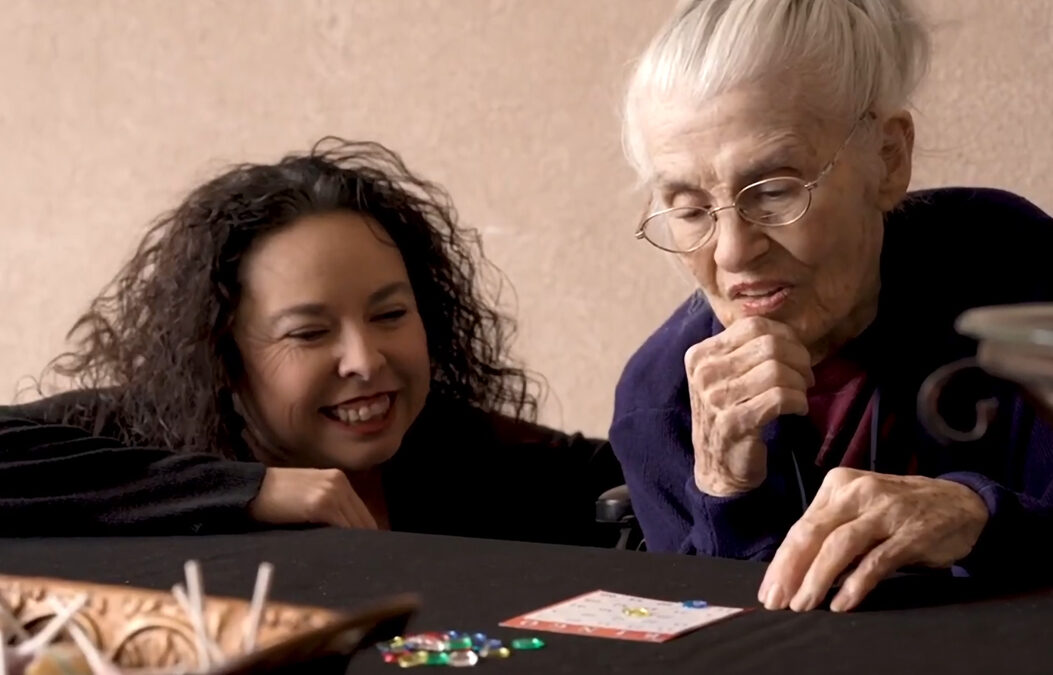
These interventions are not remarkable, and they hardly ever appear in shiny marketing. They are subtle, continuous, and grounded in everyday observation. Gradually, they lower hospitalizations, emergency room visits, and overall decline.

The specific value of regional care: a note on Albuquerque home care
Every region has its own character, and local understanding matters in elder care. In a city like Albuquerque, that shows up in small however important ways.
Caregivers knowledgeable about the area comprehend which neighborhoods have pathways appropriate for safe walks, which parks are less crowded at specific hours, and how elevation can impact a frail person's stamina. They know the design of local centers and labs, where to drop off prescriptions without long waits, and the length of time it actually takes to drive from the Heights to the Westside in rush hour traffic.

For bilingual or bicultural families, local in-home care providers who speak the customer's language or share components of cultural background can be particularly powerful. The distinction in between a caretaker who can chat in Spanish about the customer's home town and a caretaker who can not interact beyond standard phrases is substantial. Culture and language shape trust, and trust shapes desire to accept help.
Local companies concentrated on elder care likewise tend to establish informal networks: which home health agencies interact well, which medical care practices are responsive, how to collaborate with hospice if that becomes suitable. A strong local group indicates fewer fractures for a vulnerable individual to fall through.
If you are evaluating Albuquerque home care or services in any city, do not be reluctant to inquire about this kind of practical familiarity. It typically predicts how smoothly the experience will choose both your loved one and your family.
Common worries households have about at home care
When I sit with families thinking about home look after parents, the very same issues surface area again and once again. It can assist to name them plainly.
First, personal privacy. Welcoming someone into the home feels invasive. Many older adults are proud of "handling just fine" and view a stranger in your home as a symbol that they are slipping. This is where clear borders and respectful matching matter. A great company will include the elder in speaking with caregivers when possible, and set expectations about which areas are off limits, what details is personal, and how the caregiver must announce their arrival.
Second, cost. Non medical home care is normally paid of pocket or through long term care insurance coverage, not basic medical insurance. Expenses vary by area, level of requirement, and hours weekly. For lots of families, a few days a week of in-home assistance can be enough to make a big distinction, postponing or preventing the much higher and continuous expense of assisted living or nursing home care. It is important to do the mathematics over a year, not just month to month, and to weigh what you are protecting: safety, household stability, the elder's chosen quality of life.
Third, safety and trust. Handing over keys, medications, and gain access to is not something to do lightly. This is where due diligence is essential. Households should ask about background checks, training, supervision, backup plans when a caregiver is ill, and how issues are managed. When you deal with a trustworthy firm that treats caretakers as professionals instead of disposable labor, responsibility improves.
Here is a basic set of concerns lots of families find useful when examining in-home care suppliers:
- What particular training do your caregivers get associated to elder care, dementia, and mobility? How do you match a caretaker to a client's personality and requires, and what takes place if it is not a great fit? Who monitors the caregivers, how frequently do they check in at the home, and how can we reach them after hours? How do you deal with emergencies or unexpected changes in condition? Can you offer recommendations from other families with comparable situations to ours?
Notice that these questions surpass rates and hours. They help you comprehend whether this company views senior home care as complex, relational work or simply as "task coverage."
When in-home care is inadequate, and how to recognize that point
As valuable as in-home care can be, it is not a treatment all. There are circumstances where remaining in the house, even with assistance, no longer serves the elder's safety or quality of life. Part of dealing with individuals with self-respect is being honest about those limits.
Red flags that in-home care may no longer be sufficient consist of repeating hospitalizations in spite of excellent support in your home, serious nighttime wandering that can not be safely consisted of even with alarms and guidance, intensifying behaviors that put the person or others at risk, or profound medical requirements that require proficient nursing around the clock.
The shift to assisted living, memory care, or nursing home positioning is typically unpleasant for households, and lots of delay it out of guilt or worry. In my experience, the households who browse that shift with the least regret are the ones who keep interaction open with physicians, home care suppliers, and, when possible, the elder. They frame the relocation not as a failure, but as the next level of care for altering needs.
Interestingly, even when an individual relocates to a center, at home caregivers often transition into private aides there, continuing to offer companionship and connection in a brand-new environment. The relationship constructed over months or years of in-home assistance can make that adjustment gentler.
Bringing it back to what matters
When individuals remember their last years or those of a parent, they do not talk primarily about the brand name of pill organizer or the specific care schedule. They talk about whether their father stayed in his beloved home as long as he desired. Whether their mother felt bossed around or heard. Whether evenings were invested in peaceful companionship or frantic crisis management.
In-home care, at its best, secures those intangibles. It allows older grownups to age in place with real assistance rather than mere stubbornness. It uses companionship that turns into authentic friendship. It shields dignity in the personal, vulnerable moments. It stretches self-reliance by providing a hand, not taking over.
Families frequently concern elder care conversations focused on "how much help" and "how many hours." Those are required information, however they are not the heart of it. The heart is this: how can we support an older grownup in living the most authentic, self directed life possible, within the realities of aging and illness?
Thoughtful in-home care, whether in Albuquerque or any other community, responses that question in daily, regular ways. Preparing a favorite breakfast rather of whatever is fastest. Listening to a story you have actually heard ten times as if it were brand-new. Standing close by while a sluggish, mindful walk to the mail box reaffirms that, even now, this is still home and this life is still theirs.
FootPrints Home Care is a Home Care Agency
FootPrints Home Care provides In-Home Care Services
FootPrints Home Care serves Seniors and Adults Requiring Assistance
FootPrints Home Care offers Companionship Care
FootPrints Home Care offers Personal Care Support
FootPrints Home Care provides In-Home Alzheimer’s and Dementia Care
FootPrints Home Care focuses on Maintaining Client Independence at Home
FootPrints Home Care employs Professional Caregivers
FootPrints Home Care operates in Albuquerque, NM
FootPrints Home Care prioritizes Customized Care Plans for Each Client
FootPrints Home Care provides 24-Hour In-Home Support
FootPrints Home Care assists with Activities of Daily Living (ADLs)
FootPrints Home Care supports Medication Reminders and Monitoring
FootPrints Home Care delivers Respite Care for Family Caregivers
FootPrints Home Care ensures Safety and Comfort Within the Home
FootPrints Home Care coordinates with Family Members and Healthcare Providers
FootPrints Home Care offers Housekeeping and Homemaker Services
FootPrints Home Care specializes in Non-Medical Care for Aging Adults
FootPrints Home Care maintains Flexible Scheduling and Care Plan Options
FootPrints Home Care is guided by Faith-Based Principles of Compassion and Service
FootPrints Home Care has a phone number of (505) 828-3918
FootPrints Home Care has an address of 4811 Hardware Dr NE d1, Albuquerque, NM 87109
FootPrints Home Care has a website https://footprintshomecare.com/
FootPrints Home Care has Google Maps listing https://maps.app.goo.gl/QobiEduAt9WFiA4e6
FootPrints Home Care has Facebook page https://www.facebook.com/FootPrintsHomeCare/
FootPrints Home Care has Instagram https://www.instagram.com/footprintshomecare/
FootPrints Home Care has LinkedIn https://www.linkedin.com/company/footprints-home-care
FootPrints Home Care won Top Work Places 2023-2024
FootPrints Home Care earned Best of Home Care 2025
FootPrints Home Care won Best Places to Work 2019
People Also Ask about FootPrints Home Care
What services does FootPrints Home Care provide?
FootPrints Home Care offers non-medical, in-home support for seniors and adults who wish to remain independent at home. Services include companionship, personal care, mobility assistance, housekeeping, meal preparation, respite care, dementia care, and help with activities of daily living (ADLs). Care plans are personalized to match each client’s needs, preferences, and daily routines.
How does FootPrints Home Care create personalized care plans?
Each care plan begins with a free in-home assessment, where FootPrints Home Care evaluates the client’s physical needs, home environment, routines, and family goals. From there, a customized plan is created covering daily tasks, safety considerations, caregiver scheduling, and long-term wellness needs. Plans are reviewed regularly and adjusted as care needs change.
Are your caregivers trained and background-checked?
Yes. All FootPrints Home Care caregivers undergo extensive background checks, reference verification, and professional screening before being hired. Caregivers are trained in senior support, dementia care techniques, communication, safety practices, and hands-on care. Ongoing training ensures that clients receive safe, compassionate, and professional support.
Can FootPrints Home Care provide care for clients with Alzheimer’s or dementia?
Absolutely. FootPrints Home Care offers specialized Alzheimer’s and dementia care designed to support cognitive changes, reduce anxiety, maintain routines, and create a safe home environment. Caregivers are trained in memory-care best practices, redirection techniques, communication strategies, and behavior support.
What areas does FootPrints Home Care serve?
FootPrints Home Care proudly serves Albuquerque New Mexico and surrounding communities, offering dependable, local in-home care to seniors and adults in need of extra daily support. If you’re unsure whether your home is within the service area, FootPrints Home Care can confirm coverage and help arrange the right care solution.
Where is FootPrints Home Care located?
FootPrints Home Care is conveniently located at 4811 Hardware Dr NE d1, Albuquerque, NM 87109. You can easily find directions on Google Maps or call at (505) 828-3918 24-hoursa day, Monday through Sunday
How can I contact FootPrints Home Care?
You can contact FootPrints Home Care by phone at: (505) 828-3918, visit their website at https://footprintshomecare.com, or connect on social media via Facebook, Instagram & LinkedIn
FootPrints Home Care is proud to be located in the Albuquerque, NM serving customers in all surrounding communities, including those living in Rio Rancho, Albuquerque, Los Lunas, Santa Fe, North Valley, South Valley, Paradise Hill and Los Ranchos de Albuquerque and other communities of Bernalillo County New Mexico.