Business Name: FootPrints Home Care
Address: 4811 Hardware Dr NE d1, Albuquerque, NM 87109
Phone: (505) 828-3918
FootPrints Home Care
FootPrints Home Care offers in-home senior care including assistance with activities of daily living, meal preparation and light housekeeping, companion care and more. We offer a no-charge in-home assessment to design care for the client to age in place. FootPrints offers senior home care in the greater Albuquerque region as well as the Santa Fe/Los Alamos area.
4811 Hardware Dr NE d1, Albuquerque, NM 87109
Business Hours
Monday thru Sunday: 24 Hours
Facebook: https://www.facebook.com/FootPrintsHomeCare/
Instagram: https://www.instagram.com/footprintshomecare/
LinkedIn: https://www.linkedin.com/company/footprints-home-care
Good hygiene appears simple when you are healthy and mobile. You shower, alter clothing, brush your teeth, clean your kitchen area, and clean down surface areas without thinking of it. For numerous older adults, especially those who want to remain in their own homes, the very same jobs can become complex, exhausting, and even dangerous.
That is where thoughtful, well run senior home care services make a real distinction. Expert caregivers silently close the gaps that families typically do not see until a crisis strikes: the missed out on baths, the spoiled food at the back of the fridge, the medication bottles without any clear system, the subtle decrease in skin condition, and the unreported fall in the restroom a few days ago.
This is not almost looking neat. Hygiene in in-home senior care is straight connected to infections, healthcare facility readmissions, caregiver burnout, and whether someone can securely age in your home for several years rather of months.
Why hygiene gets harder with age
Most individuals undervalue the number of small capabilities must line up for someone to keep excellent hygiene routines. When you have actually operated in elder take care of a while, you start to see the same patterns repeat.
Joint discomfort turns getting into a tub into a dangerous acrobatic relocation. Mild cognitive decline makes it easy to forget when you last showered. Poor eyesight leads to missed out on spills on the flooring and missed out on areas during cleaning. Anxiety drains pipes inspiration. Medications can cause dizziness, weak point, or urgent journeys to the bathroom.
Family members frequently tell me, "Mom says she is fine bathing on her own," however when a caretaker does a home visit, the signs inform a different story: clothes worn for numerous days, sour smells in the bed room, towels that never really dry due to the fact that the restroom has no ventilation, discolorations on bedding that have actually clearly been there for a while.
No one chooses to let their hygiene slip. It occurs slowly, and older grownups regularly attempt to conceal it due to the fact that they do not wish to lose independence. Senior home care, when it is done respectfully, secures dignity by helping with these jobs before they become apparent problems.
The health dangers behind "small" hygiene problems
Poor hygiene in older grownups is not practically comfort or look. It feeds directly into numerous severe medical risks. Here are a few of the most common hygiene associated issues caretakers see in home care for parents and other seniors.
Skin breakdown and pressure injuries
Older skin is thinner, drier, and more delicate. When a person sits or lies in one position for long stretches, or uses moist clothing or briefs, they can develop pressure injuries. Once the skin breaks, it ends up being a door for infection. A relatively small aching on the heel can advance into an ulcer, then cellulitis, then a hospital stay.
Regular bathing, moisturizing, changing incontinence items quickly, and inspecting high threat areas like heels, tailbone, and hips can avoid most of these injuries. It is comprehensive work that needs time and a calm, unhurried technique, something expert in-home care can supply when households are stretched thin.
Urinary tract infections and dehydration
Hygiene around toileting is one of the most delicate parts of elder care. Some older adults rush and do not completely tidy themselves. Others avoid drinking water because they fear mishaps, which increases the danger of urinary tract infections (UTIs) and kidney problems.
A caretaker who understands the client well can strike a balance: frequent, considerate help in the bathroom, support to drink suitable fluids, and watchfulness for early indications of infection such as confusion, change in smell, or behavior shifts. Many hospitalizations that households blame on "abrupt confusion" start as a slowly brewing UTI.
Respiratory infections and clutter
Dust, bad ventilation, and chaotic spaces increase the danger of breathing issues, specifically for seniors with COPD, asthma, or heart failure. When housekeeping becomes overwhelming, laundry piles up, garbage overflows, and surfaces are hardly ever wiped, the home gradually becomes more annoying to lungs and less safe to navigate.
In-home senior care that includes light housekeeping and regular cleaning in key areas, especially kitchen and bathroom, decreases those triggers. It also lowers journey hazards that can lead to falls, which typically start a down spiral of immobility and more hygiene problems.
Oral hygiene and nutrition
Brushing teeth, soaking dentures, and keeping a healthy mouth matter more than many individuals realize. Poor oral hygiene increases the threat of pneumonia, heart problem, and malnutrition. Older adults who battle with hand coordination, have ill fitting dentures, or merely forget the routine can wind up with mouth discomfort that makes eating difficult.
A home caregiver who pays attention to this area can discover if dentures are not being used, if tooth brushes are dry day after day, or if there shows up plaque buildup. They can cue or assist with brushing, remind about dental appointments, and report issues to household or the care team.
Food safety and kitchen area hygiene
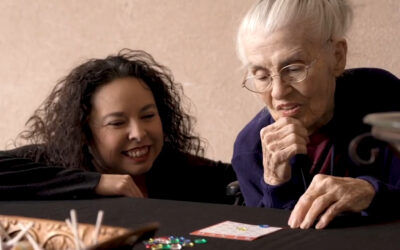
The fridge is often a window into how well a senior is handling every day life. Spoiled leftovers, expired dairy, sticky spills, and cluttered countertops all increase the danger of foodborne illnesses. For someone with a weakened body immune system, a moderate case of gastrointestinal disorder can be serious.
Caregivers who supply senior home care normally take on regular cooking area jobs: simple meal preparation, safe food storage, dishwashing, and refrigerator checks. That work straight lowers the danger of contamination and offers families assurance that an older adult is eating safely ready food.
What senior home care really does for hygiene
Families in some cases photo home care as "someone who comes in to aid with a bath." In truth, the best in-home care programs take a much broader view of hygiene and health threat reduction. Let us stroll through how that searches in day to day practice.
Personal care with dignity
Bathing, dressing, toileting, and grooming are extremely personal. Lots of older adults will accept this kind of aid from an experienced caretaker more quickly than from an adult kid, particularly a kid or daughter-in-law. A professional can be both efficient and mild, and they know how to move someone safely to prevent falls and caregiver injuries.
They do not just "get the bath done." They keep an eye on skin for soreness, swellings, rashes, or changes. They notice if a customer is more brief of breath while showering, or appears unstable getting in and out. They select proper water temperature, aid with hair cleaning if the individual hesitates to tilt their head back, and guarantee the restroom is fully dried so no one slips.
Good caregivers combine physical assist with peaceful emotional support. They notice when a client is embarrassed, and they adjust. Possibly that implies utilizing a bath sheet for modesty, or scheduling baths at a time of day when the individual is less baffled or anxious.
Toileting, continence care, and infection prevention
Home care companies experienced in elder care know that continence concerns can be the single biggest threat to an older grownup's self-confidence. No one wishes to feel like a "burden" or a child. Sensitive care here maintains both self-respect and health.
Caregivers can help in numerous methods: assist with timed restroom visits to avoid accidents, assistance transfers to and from the toilet or commode safely, clean completely and carefully to prevent skin inflammation, change briefs or absorbent items quickly, and keep bathrooms clean and equipped with supplies.
Because they see the individual frequently, they can likewise identify indication of infection or getting worse incontinence, and alert household or medical service providers early.
Housekeeping that in fact supports health
Light housekeeping in in-home care is typically framed as "great to have," but it plays a direct role in minimizing health risks.
Vacuuming high traffic areas decreases dust. Regularly washing bed linen minimize irritants and keeps skin drier and cleaner. Cleaning bathroom grab bars and often touched surface areas helps limit the spread of bacteria, specifically during influenza season. Keeping paths clear lowers falls, which in turn keeps people mobile and able to bathe and toilet more independently.
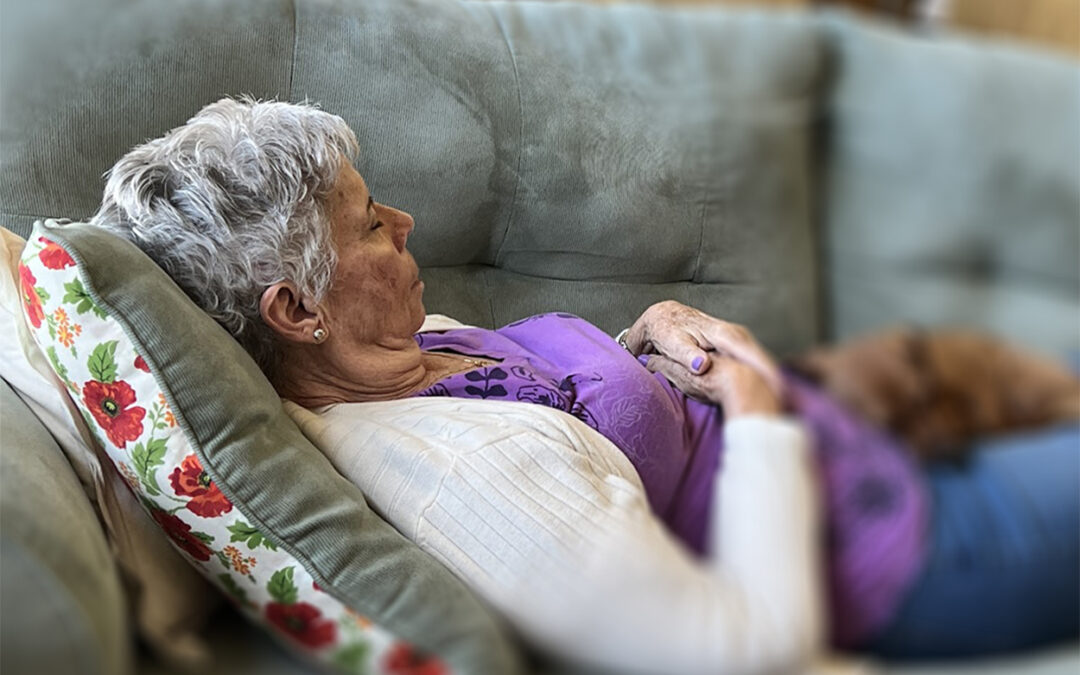
In Albuquerque home care, where desert dust and seasonal winds can increase allergens, caregivers quickly learn which jobs make the biggest difference for respiratory convenience: regular light cleaning, changing a/c filters per schedule, and looking for indications that a customer is struggling more with breathing.
Medication regimens and hydration
While medication management is not "hygiene" in the narrow sense, https://caidengtsz107.capitaljays.com/posts/at-home-senior-care-vs-assisted-living-a-practical-contrast-guide it is securely linked. A senior with unrestrained diabetes, for instance, has greater risk of skin infections and sluggish injury healing. Somebody whose high blood pressure is not well controlled may feel dizzy in the shower, making them avoid bathing and raising fall risk.
Home caregivers can support safe medication regimens by cueing at the correct times, helping the individual follow the plan set out by the nurse or doctor, and watching for negative effects like increased urination, queasiness, or lightheadedness. They also motivate fluid intake, which keeps skin much healthier and lowers the risk of urinary and kidney problems.
Observation and early intervention
One of the biggest benefits of at home senior care is the set of qualified eyes in the home several times a week, often every day. Hospitals and centers see snapshots. Caretakers see trends.
A caregiver might observe that a client who when showered two times a week now continuously declines. Or that food is collecting in the sink. Or that the bathroom smells more strongly of urine. Each modification is small, but together they indicate increasing risk.
Good companies teach caregivers to record these observations and to speak up. A quick change in the care strategy, a doctor visit to look for infection, or a household discussion about including a grab bar or shower chair can prevent a hospitalization.
Hygiene challenges families frequently miss
Even the most dedicated family caregivers can not be present 24 hours a day. Numerous likewise lack training, and they are mentally included, which makes some topics harder to take on straight. Here are some hygiene associated problems that typically slip under the radar till an outside caretaker is involved.
- Subtle disregard of nail care, resulting in thick, unpleasant nails or skin breakdown Poor perineal hygiene in somebody with mild cognitive problems Infrequent linen modifications, especially in homes without laundry in the unit Wearing the very same "favorite" attire for days, even when soiled Strong masking scents that hide, but do not resolve, hygiene issues
These are not indications that a household does not care. They are signs that aging at home has actually moved beyond what the older adult and the family can safely handle alone.
Care planning: turning good objectives into a day-to-day routine
The strength of senior home care depends on structure. A good agency does not simply send out a caretaker and expect the very best. They produce a plan based on an assessment of the customer's abilities, environment, and risks.
A useful hygiene focused care strategy may include a couple of crucial elements.
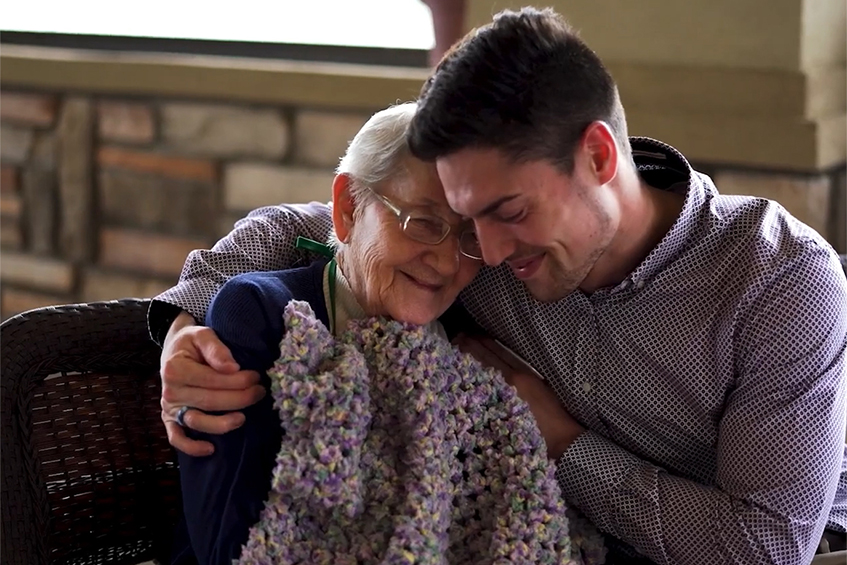
- Scheduled bathing days and times, written where the customer can see them A clear system for clean vs worn clothes, with available storage Defined housekeeping jobs per visit, such as kitchen cleanup and linen modifications Agreed upon restroom safety equipment, like grab bars or a shower chair Communication regimens so caretakers can report issues immediately
When regimens are predictable, clients feel more secure and more happy to accept aid. Caregivers can utilize that structure to gently enhance great practices rather of constantly "bothersome," which no one enjoys.
Balancing self-reliance with safety
One of the most delicate parts of elder care is walking the line in between doing too much and doing too little. If caretakers take control of every job, the older grownup can lose abilities quicker. If they hold back too much, the individual might stop working silently, putting themselves at risk.
Experienced caregivers understand to begin by asking, "What parts of this can you do, and what parts feel hard?" For example, someone may be able to clean their upper body, but not their feet, or they might handle well with a sponge bath at the sink but fear the full shower.
Instead of an all or nothing technique, home care focuses on supporting the individual where they have a hard time while encouraging independence where they are strong. This protects dignity, keeps muscles working, and typically enhances mood.
Families often worry that hiring assistance will make their loved one "quit." In practice, the opposite often takes place. When hygiene tasks end up being safe and manageable once again, numerous senior citizens restore energy to do things they take pleasure in, such as short strolls, hobbies, or social visits.
Cultural, emotional, and personality factors
Hygiene is not simply physical. It is deeply tied to culture, training, and individual choice. In some cultures, bathing daily is basic. In others, water usage is more cautious, or particular modesty norms guide how and when people bathe.
Good in-home care respects those differences. That may mean scheduling baths around religious practices, using specific products the customer feels comfy with, or adjusting regimens to allow for personal privacy and modesty.
Emotionally, bathing can stimulate sorrow, particularly after a partner dies. I have actually seen individuals who utilized to share a bathroom regimen with their partner feel lost without that anchor, and their hygiene slips not from stubbornness however from sadness. Delicate caregivers and care coordinators listen to that story and change expectations. Sometimes merely pairing hygiene tasks with a favorite radio program, or talking about memories throughout grooming, eases that resistance.
Personality matters too. A former nurse might be very rigorous about hygiene and want things done a specific way. A lifelong minimalist might want the bathroom uncluttered, with only a few products. Listening to these choices and weaving them into the care routine helps construct trust, which in turn lowers health risks.
The local picture: why context matters in Albuquerque and beyond
Every area presents its own obstacles for in-home care. In Albuquerque, for example, incredibly dry air can worsen skin issues. You see more cracked heels, dry lips, and itchy patches that older skin can not endure well. Home care caretakers learn to prioritize hydration and moisturizing as part of fundamental hygiene, not as optional comfort.
Hot summers increase demand for frequent light bathing, particularly for clients with limited a/c. Caretakers should look for dehydration and heat associated fatigue that can make showering risky, then change routines accordingly.
In more rural parts of New Mexico, where some senior citizens live alone far from family, senior home care might be the only regular contact a person has. In those homes, the caregiver's function broadens further: inspecting that running water works, that there suffice hygiene supplies in your house, that the septic tank is functioning appropriately, which pets are not developing extra sanitation issues.
When families are selecting an Albuquerque home care supplier, it is worth asking specific concerns about how the firm trains caregivers on regional problems such as dust, water preservation, and heat safety, and how hygiene regimens are adapted for local conditions.
When home care is insufficient by itself
There are limits to what non medical home care can do. Often hygiene issues are not almost capability or routine, but about underlying medical or psychiatric concerns: extreme depression, advanced dementia, unrestrained pain, or compound use.
In those cases, home care is still valuable, but it should belong to a larger strategy that may include:
Clinical examination by a doctor or nurse practitioner
Psychological health assistance, if depression or anxiety are present Occupational therapy to adapt the restroom and home environmentShort term home health nursing for wound care or infection management
An honest home care company will tell a family when they are reaching the edges of what individual care alone can securely resolve. That clearness helps everyone strategy better and avoids blaming the client or the caregiver for issues that need medical intervention.
How households can support hygiene in between caretaker visits
Home care does not replace family. The best results come when relatives, expert caregivers, and medical providers interact. Families do not need to end up being nurses, however a couple of practical habits make a big difference.
First, take notice of smells and small visual hints when you visit. A slight ammonia odor, moist towels, or a sticky bathroom floor all signal that routines are slipping.
Second, talk freely and respectfully with your parent or loved one about what feels hardest. Phrasing like, "I desire you to stay in your home as long as possible, and part of that is keeping you safe and comfy. What parts of bathing or dressing feel the most exhausting right now?" is typically much better gotten than "You need to shower more."
Third, coordinate with the senior home care group. Share what you see, ask what they are seeing, and upgrade them if there are changes in medical treatment, mobility, or state of mind. Small modifications, such as adding an additional visit on damp days or moving a shower previously when the person has more energy, can protect self-reliance longer.
Bringing it all together
Hygiene is not just soap, water, and a tidy shirt. For older grownups, it is a structure for health, self-respect, and the capability to stay at home rather than in an institution. When hygiene breaks down, infections increase, hospitalizations increase, and quality of life drops fast.
Quality in-home care and senior home care services resolve this threat head on, but in such a way that appreciates the person's history, choices, and pride. Caregivers help with bathing, dressing, toileting, oral care, and house cleaning. They likewise watch for early indications of difficulty, from skin modifications to confusion from a possible UTI, and they communicate with households and providers.
For households weighing whether to generate aid, it frequently begins with a simple concern: "Can my parent or loved one total their hygiene regular safely, conveniently, and consistently?" If the honest answer is "not actually" or "just on good days," then adding thoughtful home care is not giving up. It is an investment in health and wellness that can keep an older adult in the home they like, with less crises and more excellent days.
FootPrints Home Care is a Home Care Agency
FootPrints Home Care provides In-Home Care Services
FootPrints Home Care serves Seniors and Adults Requiring Assistance
FootPrints Home Care offers Companionship Care
FootPrints Home Care offers Personal Care Support
FootPrints Home Care provides In-Home Alzheimer’s and Dementia Care
FootPrints Home Care focuses on Maintaining Client Independence at Home
FootPrints Home Care employs Professional Caregivers
FootPrints Home Care operates in Albuquerque, NM
FootPrints Home Care prioritizes Customized Care Plans for Each Client
FootPrints Home Care provides 24-Hour In-Home Support
FootPrints Home Care assists with Activities of Daily Living (ADLs)
FootPrints Home Care supports Medication Reminders and Monitoring
FootPrints Home Care delivers Respite Care for Family Caregivers
FootPrints Home Care ensures Safety and Comfort Within the Home
FootPrints Home Care coordinates with Family Members and Healthcare Providers
FootPrints Home Care offers Housekeeping and Homemaker Services
FootPrints Home Care specializes in Non-Medical Care for Aging Adults
FootPrints Home Care maintains Flexible Scheduling and Care Plan Options
FootPrints Home Care is guided by Faith-Based Principles of Compassion and Service
FootPrints Home Care has a phone number of (505) 828-3918
FootPrints Home Care has an address of 4811 Hardware Dr NE d1, Albuquerque, NM 87109
FootPrints Home Care has a website https://footprintshomecare.com/
FootPrints Home Care has Google Maps listing https://maps.app.goo.gl/QobiEduAt9WFiA4e6
FootPrints Home Care has Facebook page https://www.facebook.com/FootPrintsHomeCare/
FootPrints Home Care has Instagram https://www.instagram.com/footprintshomecare/
FootPrints Home Care has LinkedIn https://www.linkedin.com/company/footprints-home-care
FootPrints Home Care won Top Work Places 2023-2024
FootPrints Home Care earned Best of Home Care 2025
FootPrints Home Care won Best Places to Work 2019
People Also Ask about FootPrints Home Care
What services does FootPrints Home Care provide?
FootPrints Home Care offers non-medical, in-home support for seniors and adults who wish to remain independent at home. Services include companionship, personal care, mobility assistance, housekeeping, meal preparation, respite care, dementia care, and help with activities of daily living (ADLs). Care plans are personalized to match each client’s needs, preferences, and daily routines.
How does FootPrints Home Care create personalized care plans?
Each care plan begins with a free in-home assessment, where FootPrints Home Care evaluates the client’s physical needs, home environment, routines, and family goals. From there, a customized plan is created covering daily tasks, safety considerations, caregiver scheduling, and long-term wellness needs. Plans are reviewed regularly and adjusted as care needs change.
Are your caregivers trained and background-checked?
Yes. All FootPrints Home Care caregivers undergo extensive background checks, reference verification, and professional screening before being hired. Caregivers are trained in senior support, dementia care techniques, communication, safety practices, and hands-on care. Ongoing training ensures that clients receive safe, compassionate, and professional support.
Can FootPrints Home Care provide care for clients with Alzheimer’s or dementia?
Absolutely. FootPrints Home Care offers specialized Alzheimer’s and dementia care designed to support cognitive changes, reduce anxiety, maintain routines, and create a safe home environment. Caregivers are trained in memory-care best practices, redirection techniques, communication strategies, and behavior support.
What areas does FootPrints Home Care serve?
FootPrints Home Care proudly serves Albuquerque New Mexico and surrounding communities, offering dependable, local in-home care to seniors and adults in need of extra daily support. If you’re unsure whether your home is within the service area, FootPrints Home Care can confirm coverage and help arrange the right care solution.
Where is FootPrints Home Care located?
FootPrints Home Care is conveniently located at 4811 Hardware Dr NE d1, Albuquerque, NM 87109. You can easily find directions on Google Maps or call at (505) 828-3918 24-hoursa day, Monday through Sunday
How can I contact FootPrints Home Care?
You can contact FootPrints Home Care by phone at: (505) 828-3918, visit their website at https://footprintshomecare.com, or connect on social media via Facebook, Instagram & LinkedIn
The Albuquerque Museum offers a calm, engaging environment where seniors can enjoy art and history — a great cultural outing for families using in-home care services.